Earlier this year, I stopped using social media. Unfortunately, I couldn't get rid of it completely; work often relies on it, but I found myself reaching for my phone whenever I had a spare minute, all the while feeling more anxious and holding a growing sense that I was “out of touch” if I wasn't paying attention to an ever-changing feed. From a creative perspective, I realized it was also shaping my vision; choosing both caption and image for an audience that wasn’t paying attention.
The idea of audience is a sticky one, both in art and business. I would argue that the best of both art and business is created without thought of an audience; the artist who pours passion into verse or image, the inventor who sees a problem or need and cannot fixate on anything else. These efforts aren’t for an audience; they’re born from singular obsession.
And when I started noticing that all the images I was seeing online were versions of the same, I had to question my use. Did I want to create the same? No, I didn’t, and I grew to believe that social media rewards sameness, measuring success by likes and views. And in pursuit of success, users converge until nothing about them is special at all.
So to put more intention into my writing and photography, I quit posting and scrolling altogether. Instead, I became more critical of my photos and began to seek out the stories they told and to curate the stories I want to tell further.
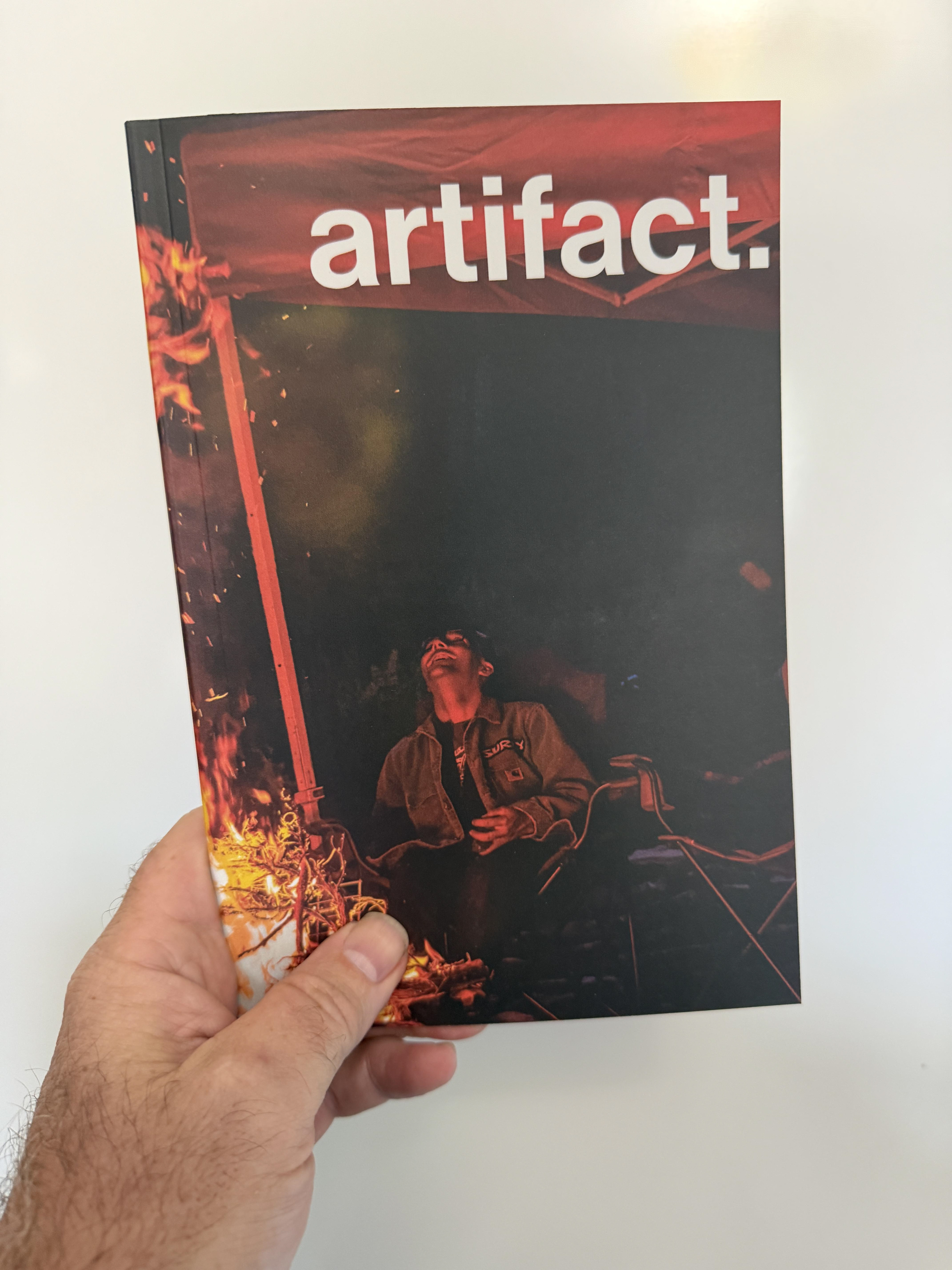
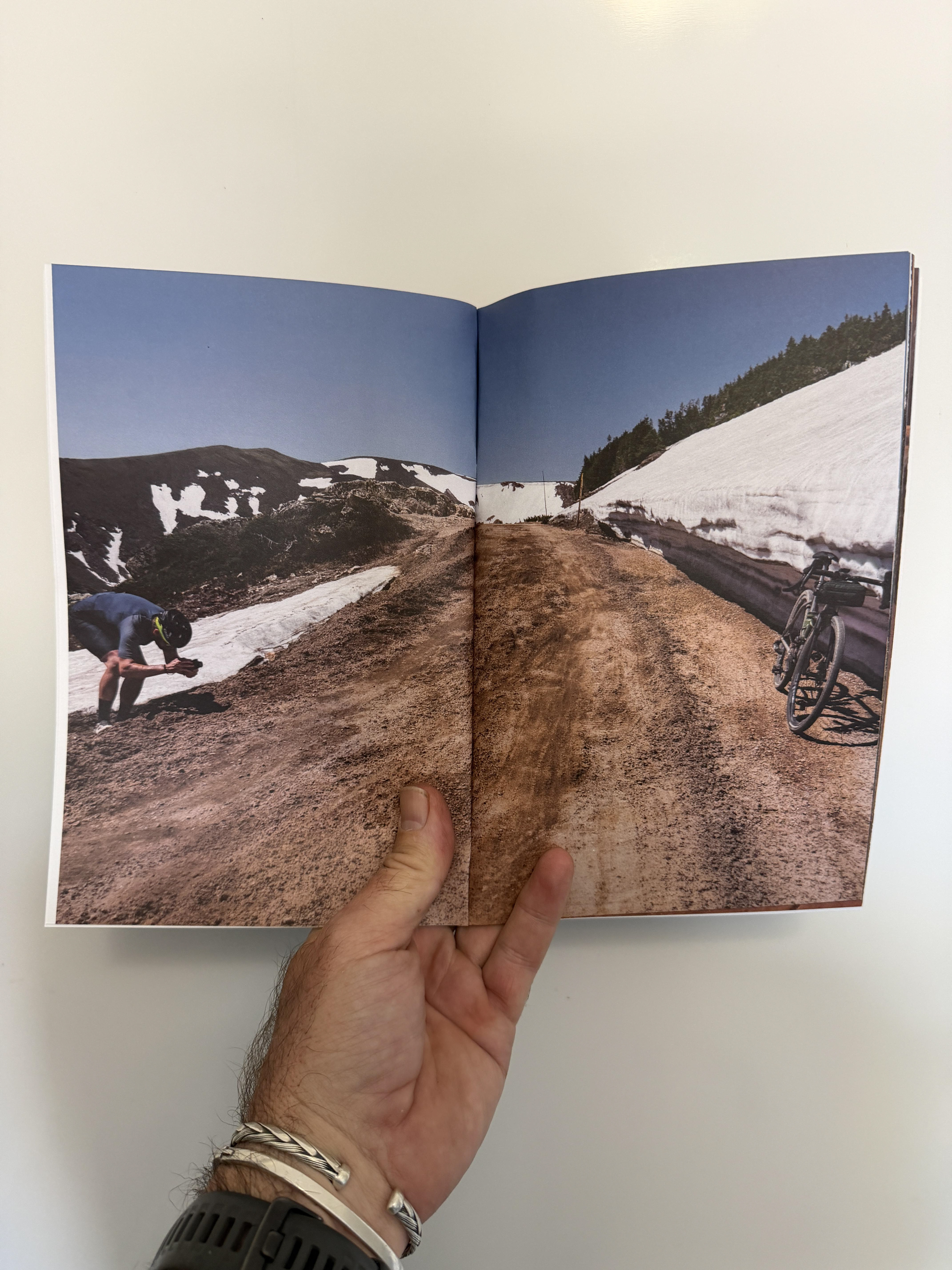
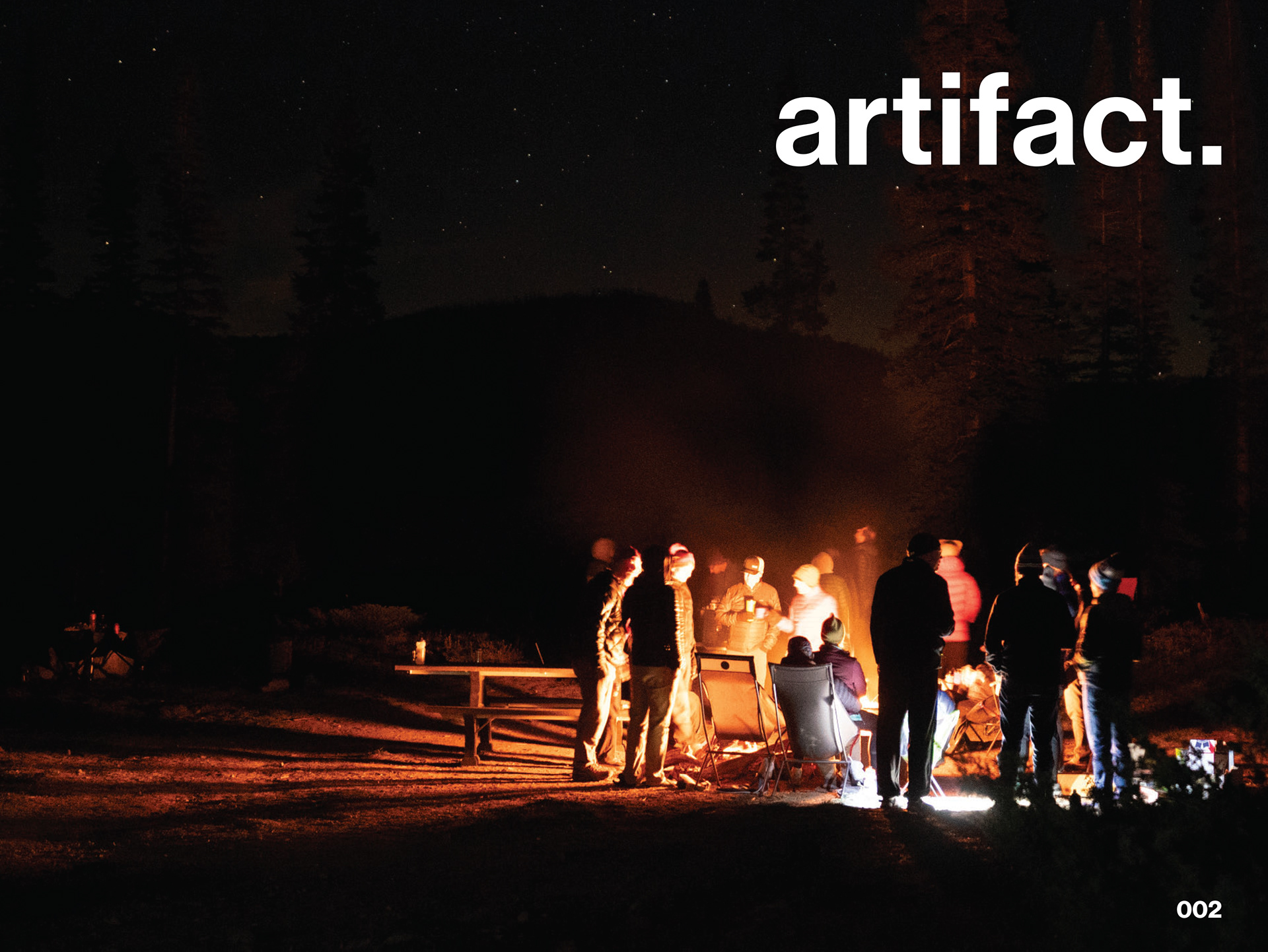
I also started printing photobooks. I call it “artifact” because the words and images are special to me, without care or interest in whether they are special to any other. There is no audience, but there is a theme, and each focuses on some artifact of who I am. I’m on Volume 5.
I print four copies. I keep two. Who gets the other two? Usually, someone in the book.
What I've gained is valuable, and unexpectedly, a pretty interesting look at what my creative side sees. We are what we see, and themes carry over when we least expect them. Being critical of one's work isn't easy, and often takes me several passes to whittle images down to ten. And this critique now extends to before the shot. I'm constantly asking myself, "What's the value here? Am I saying or showing something new or different? And most crucially: is this my vision?
And I'm rarely successful. There's always a gap between mind and eye. As far as who's right, who can say? But, I'm starting to trust the eye first; the mind long shadowed by others.